Foster Parent
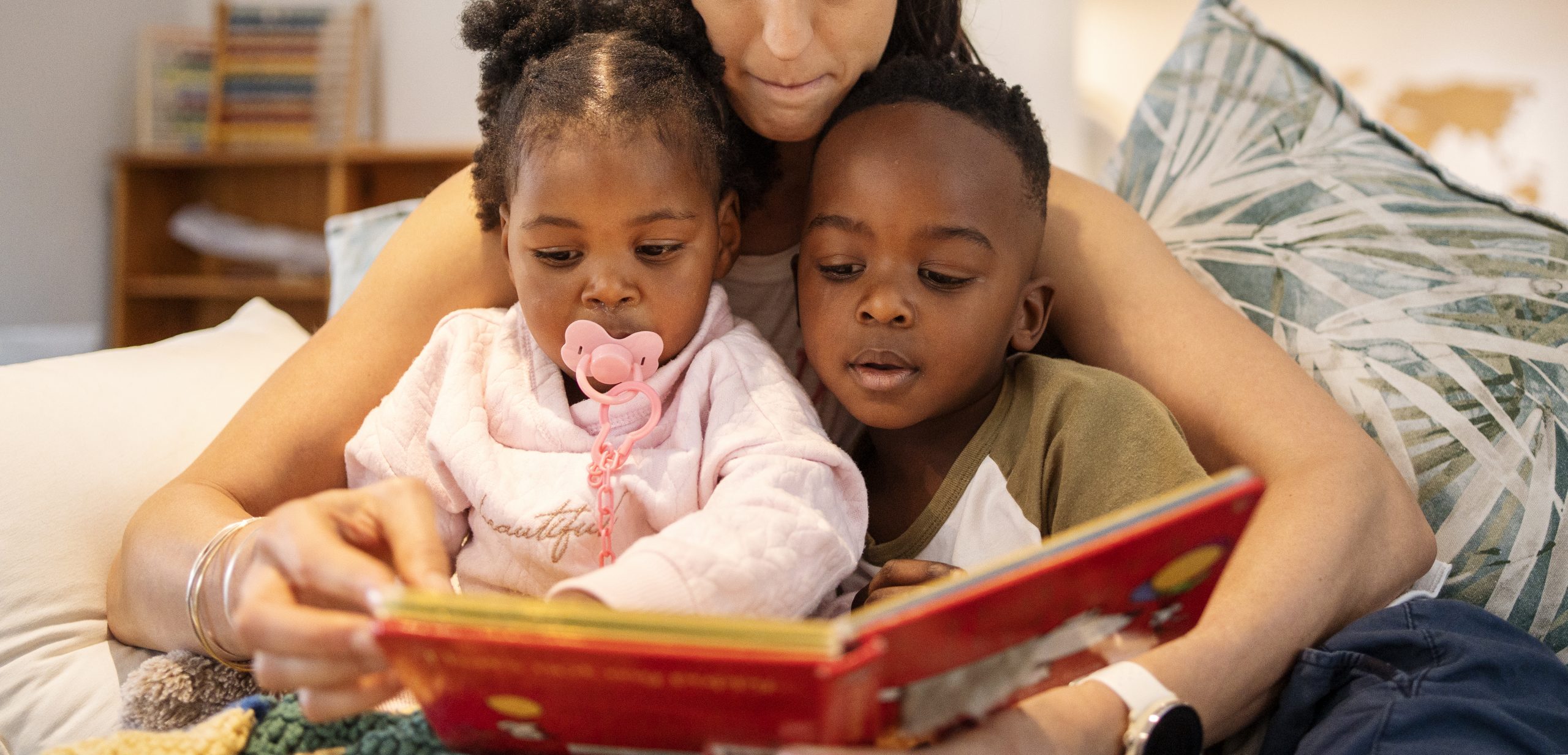
How To Become a Foster Parent – Information and Helpful Links
- To learn more on how to become a Foster Parent/Resource Family in San Bernardino County or to speak to a social worker please call us at:1-800-722-4477

RFA Overview
Children need and deserve a safe, nurturing, and stable place to live where they can thrive and mature. Becoming a Resource Family (RF) provides a child with a home that enables this.
RFA is a caregiver approval process that a foster parent, relative, non-relative extended family member, or adoptive family completes to be considered for the potential placement of a child, youth, or young adult (non-minor dependents aged 18-21).
The RFA process includes:
- Submitting a completed application,
- Allowing a home health and safety assessment
- Providing contact information of two references
- Consenting to a background check of all adults residing in or regularly present in the home
- Participating in a family evaluation
- Completing a pre-approval training program
- Submitting documentation as requested
- Consenting to release all requested evaluative reports and records when necessary
RFA Requirements
The following requirements must be completed/submitted prior to approval:
- Live Scan
- Pre-approval training
- Home environment assessment
- Permanency assessment
- Cardiopulmonary Resuscitation (CPR) First Aid certification
- Health Screening
- Family Evaluation
- Department of Motor Vehicles (DMV) Report
The RFA approval process also includes:
- In-home visits with all adults, children, youth, and young adults living in or regularly present in the home
- Reference checks
- Collecting completed forms and applications
Once approved, RFs may be considered for placement of a related or unrelated child(ren) for foster care, adoption, or legal guardianship, depending on the RF’s goals. RFA does not guarantee placement of a child. The decision to place a child with a RF is determined by the child’s social worker and the courts. Consider Becoming a Resource Family Today! For additional information, call 909.891.3593.
What are Special Health Care Needs?
Children with Special Health Care Needs (SHCN) require care beyond the normal range of care for foster children because of acute medical, physical, developmental, emotional or behavioral problems. The County social worker (SW) seeks the least restrictive placement that meets the child’s needs.
The decision of where a child with SHCN can be adequately cared for is the responsibility of the child’s Individual Health Care Plan (IHCP) team, which includes the Primary Physician or his/her designee, and County SW. The team may also include, but is not limited to, the following:
- Public Health Nurse (PHN),
- Inland Regional Center (IRC) worker
- Mental Health Department
- Parents, and
- Child.
What type of conditions might SHCN children have?
Children who have SHCN will have medical conditions that can range from:
- Low medical needs such as:
- Diet restrictions,
- Medication needs, or
- Nutritional needs,
- High medical needs such as:
- Technology dependent,
- Recent transplant; immunosuppressed
Caregiver Requirements
Caregivers caring for SHCN children must:
- Receive child-specific training,
- Attend specialty appointments,
- Keep medication logs,
- Work with Public Health Nurses,
- Ensure that medical needs are met, and
- Have no more than two foster children in the home.
If you are a resource family interested in caring for children with special health care needs, or have questions regarding a special health care needs child already in your care, please contact the Special Health Care Needs Unit at 909-388-1900 for more information. For information on becoming a resource family, please call 909.891.3593.
What is Foster Care?
Foster Care is the temporary placement of a child in a home outside of his or her family which is required for the safety and well-being of the child. Children are placed in foster care until their parents or caregivers are able to provide a safe environment for them or until a permanent placement such as adoption or guardianship becomes available. Social workers visit the foster home on a regular basis to support the children’s needs. Foster parents receive financial assistance to support the child(ren) placed in their homes.